Uncuymaza: The Complete Guide to South American Indigenous Art and Symbolism
Art has always been one of the strongest ways people preserve history, identity, and culture. Around the world, many traditional art styles continue to inspire modern artists, designers, educators, and collectors. One emerging cultural expression that is gaining attention is Uncuymaza.
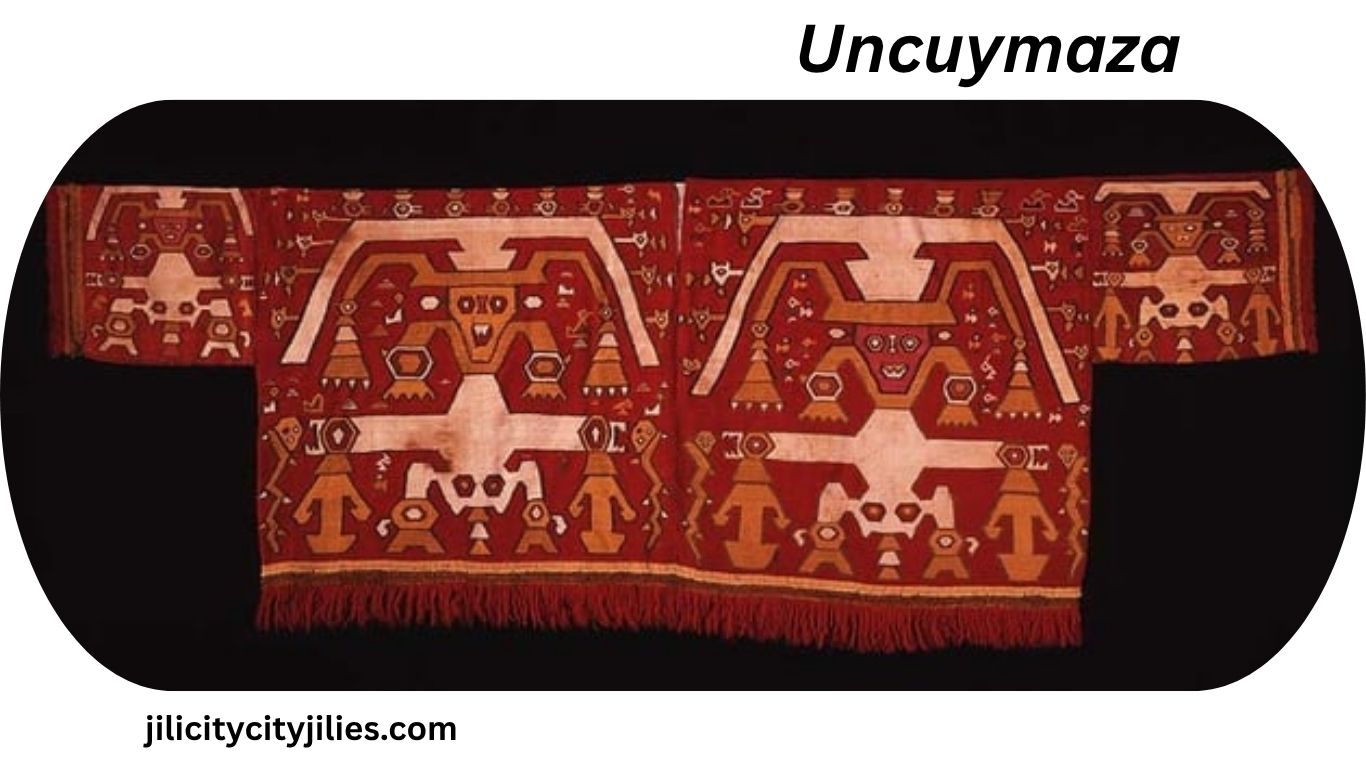
Uncuymaza is a growing cultural art style rooted in traditional South American Indigenous expression. It is especially recognized for its symbolic patterns, earthy color palettes, and storytelling visuals that communicate history, beliefs, nature, and community values. While it is still relatively unknown compared to globally recognized Indigenous art traditions, interest in Uncuymaza continues to expand among artists, museums, educators, and people who appreciate cultural heritage.
As more people search for authentic artistic traditions with deep meaning, Uncuymaza offers a unique perspective that combines history, creativity, symbolism, and cultural identity. It reminds us that art is more than decoration—it is a language that connects generations.
This complete guide explains everything you need to know about Uncuymaza, including its history, characteristics, symbolism, cultural importance, artistic techniques, modern influence, educational value, and future potential.
What Is Uncuymaza?
Uncuymaza is a cultural art style inspired by Indigenous South American traditions. Rather than focusing only on visual beauty, it emphasizes storytelling through symbols, colors, geometric designs, and representations of the natural world.
Every artwork reflects ideas that are meaningful within Indigenous cultures, such as:
- Respect for nature
- Community relationships
- Spiritual beliefs
- Family traditions
- Seasonal cycles
- Animal symbolism
- Human connection with the environment
Unlike many modern commercial art forms, Uncuymaza encourages viewers to discover the deeper meaning behind every visual element.
Today, artists continue adapting this traditional style while preserving its cultural foundations.
The Origins of Uncuymaza
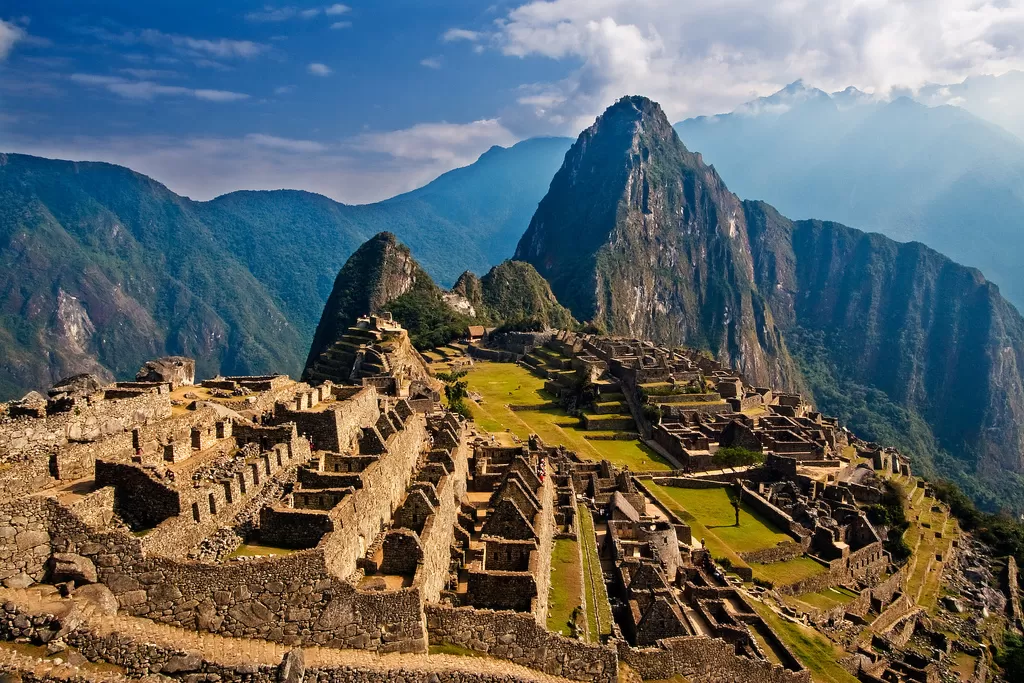
The origins of Uncuymaza are closely connected to Indigenous communities across South America that have long used visual art to communicate stories before written language became widespread.
Traditional artists created symbolic images that represented:
- Agricultural life
- Sacred mountains
- Rivers
- Forests
- Ancestors
- Animals
- Celestial events
- Community celebrations
These visual traditions helped preserve knowledge across generations.
Unlike modern artwork created mainly for decoration, early forms of Uncuymaza were educational, spiritual, and historical.
Every design carried meaning.
Also Read:Slylar Box: The Complete Guide to Premium Packaging Solutions
Although the exact historical timeline of Uncuymaza continues to evolve through cultural research, many experts believe its artistic foundation reflects centuries of Indigenous storytelling traditions that remain relevant today.
Why Uncuymaza Is Becoming More Popular
Interest in Uncuymaza has increased because people increasingly value authentic cultural experiences.
Several factors contribute to this growth.
Appreciation for Indigenous Heritage
Many people now seek to understand Indigenous cultures through respectful learning rather than stereotypes.
Uncuymaza provides an artistic doorway into this rich heritage.
Sustainable Artistic Values
Traditional materials and natural color inspiration align with today’s environmental awareness.
Digital Exposure
Artists now share their work through social media, online galleries, and educational websites, introducing Uncuymaza to international audiences.
Educational Programs
Schools and universities increasingly include Indigenous visual arts in cultural education.
Creative Inspiration
Designers find inspiration in the clean geometric structures and symbolic storytelling of Uncuymaza.
The Core Characteristics of Uncuymaza
Several visual elements make Uncuymaza immediately recognizable.
Symbolic Patterns
Every line or shape often represents something meaningful rather than serving as decoration.
Symbols may reflect:
- Rain
- Rivers
- Seeds
- Birds
- Mountains
- Sunlight
- Family
- Unity
- Growth
Earthy Color Palette
Natural colors define much of the visual identity.
Common shades include:
- Clay red
- Deep brown
- Sand
- Forest green
- Charcoal black
- Stone gray
- Cream
- White
These colors create harmony with nature.
Storytelling Through Images
Instead of written narratives, artworks communicate experiences visually.
One artwork may tell the story of:
- A harvest season
- Community celebration
- Wildlife migration
- Spiritual journey
- Family heritage
Geometric Balance
Balanced shapes create rhythm and movement while representing harmony between humans and nature.
Organic Inspiration
Natural landscapes influence nearly every design.
Artists often reference:
- Trees
- Rivers
- Birds
- Mountains
- Plants
- Animals
- Rain
- Stars
The Meaning Behind Uncuymaza Symbols
One of the most fascinating aspects of Uncuymaza is symbolism.
Unlike decorative patterns, symbols carry messages.
Circle
Represents life, unity, continuity, and community.
Triangle
Often symbolizes mountains, stability, and strength.
Spiral
Represents personal growth, spiritual development, and life’s journey.
River Patterns
Symbolize movement, change, and the flow of time.
Animal Figures
Animals often represent wisdom, courage, protection, adaptability, or balance.
Sun Motifs
Reflect life, warmth, hope, and renewal.
Plant Designs
Celebrate agriculture, healing, and prosperity.
The exact interpretation may vary depending on the artist and cultural context.
Traditional Materials Used in Uncuymaza
Historically, artists worked with materials available in their natural surroundings.
Examples include:
- Natural clay pigments
- Plant-based dyes
- Charcoal
- Mineral colors
- Wood
- Stone
- Handmade textiles
- Woven fibers
These materials created distinctive textures that modern synthetic products often cannot fully replicate.
Artistic Techniques Found in Uncuymaza
Artists combine several techniques to produce detailed cultural works.
Common methods include:
Hand Painting
Natural pigments are carefully layered to create symbolic images.
Textile Weaving
Patterns become part of woven fabrics rather than painted surfaces.
Carving
Wood and stone carvings display symbolic motifs.
Mural Art
Large community murals communicate local history and shared identity.
Mixed Media
Modern artists combine traditional elements with contemporary materials.
The Importance of Storytelling in Uncuymaza
Storytelling is the heart of Uncuymaza.
Rather than creating random designs, artists often build visual narratives.
Stories may describe:
- Family ancestry
- Seasonal farming
- Ancient legends
- Community cooperation
- Respect for wildlife
- Traditional ceremonies
- Spiritual beliefs
Every visual choice contributes to the overall message.
This makes each artwork both educational and artistic.
The Relationship Between Uncuymaza and Nature
Nature is central to Uncuymaza.
Artists view humans as part of the natural world rather than separate from it.
This philosophy appears throughout the artwork.
Common natural subjects include:
- Forests
- Mountains
- Rivers
- Rainfall
- Birds
- Trees
- Seeds
- Flowers
- Wildlife
These images remind viewers of environmental responsibility and cultural respect.
Cultural Importance of Uncuymaza
Uncuymaza preserves traditions that might otherwise disappear over time.
Its cultural importance includes:
Also Read:Serlig: The Complete Guide to Meaningful Digital Communication
Protecting Heritage
Art records traditions passed through generations.
Building Community Identity
Shared artistic symbols strengthen cultural belonging.
Teaching Younger Generations
Children learn history through visual storytelling.
Encouraging Respect
The art helps people appreciate Indigenous knowledge and traditions.
Preserving Traditional Values
Artwork reflects cooperation, sustainability, respect, and family.
Uncuymaza in Modern Art
Although rooted in tradition, Uncuymaza continues evolving.
Modern artists incorporate its principles into:
- Contemporary painting
- Public murals
- Fashion
- Graphic design
- Interior decoration
- Educational projects
- Digital illustration
- Cultural exhibitions
This evolution helps preserve the tradition while reaching new audiences.
Uncuymaza and Interior Design
Interior designers increasingly appreciate culturally inspired artwork.
Uncuymaza fits well in spaces seeking warmth and authenticity.
Popular applications include:
- Wall art
- Handmade textiles
- Decorative panels
- Ceramic pieces
- Natural wood decorations
- Cultural galleries
Its earthy colors blend well with modern minimalist interiors.
Uncuymaza in Fashion
Fashion designers increasingly explore Indigenous-inspired artistic traditions.
Uncuymaza patterns appear on:
- Scarves
- Jackets
- Bags
- Dresses
- Footwear
- Jewelry
- Shawls
Responsible designers emphasize cultural respect and collaboration rather than imitation.
Uncuymaza in Graphic Design
Digital creators appreciate the clean geometric structures and symbolic storytelling.
Applications include:
- Brand identity
- Packaging
- Educational graphics
- Posters
- Book covers
- Cultural campaigns
- Website illustrations
These designs maintain traditional inspiration while serving modern communication needs.
Uncuymaza and Cultural Tourism
Travelers increasingly seek meaningful cultural experiences.
Communities that preserve traditional arts often attract visitors interested in:
- Artisan workshops
- Cultural festivals
- Museum exhibitions
- Traditional markets
- Local storytelling events
Responsible tourism can support local artists while helping preserve cultural traditions.
How Artists Learn Uncuymaza
Learning Uncuymaza requires more than copying patterns.
Students study:
- Symbolism
- Cultural history
- Indigenous traditions
- Natural inspiration
- Storytelling techniques
- Color harmony
- Community values
Understanding the meaning behind the artwork is just as important as mastering the techniques.
Challenges Facing Uncuymaza
Like many traditional cultural arts, Uncuymaza faces several challenges.
Commercialization
Mass production may reduce cultural authenticity.
Cultural Misunderstanding
Symbols can lose meaning when used without context.
Limited Documentation
Some traditions remain underrepresented in academic research.
Younger Generations
Modern lifestyles sometimes reduce interest in traditional artistic practices.
Copyright and Cultural Respect
Communities seek fair recognition when their artistic heritage inspires commercial products.
How to Appreciate Uncuymaza Respectfully
Anyone interested in Uncuymaza should approach it with respect.
Good practices include:
- Learn the cultural background.
- Support authentic artists.
- Avoid copying sacred symbols without understanding them.
- Credit cultural inspiration appropriately.
- Purchase directly from artisans when possible.
- Continue learning about Indigenous traditions.
Respect strengthens cultural preservation.
Benefits of Studying Uncuymaza
Studying Uncuymaza provides many educational benefits.
Students develop:
- Cultural awareness
- Visual literacy
- Historical understanding
- Creative thinking
- Appreciation for diversity
- Environmental awareness
- Artistic observation skills
These lessons extend beyond art into broader social understanding.
Uncuymaza Compared with Modern Decorative Art
| Uncuymaza | Modern Decorative Art |
| Symbolic meaning | Visual appearance often comes first |
| Cultural storytelling | Decoration is often the primary purpose |
| Natural inspiration | Wide variety of inspirations |
| Traditional values | Modern trends |
| Community identity | Individual artistic expression |
| Heritage preservation | Commercial creativity |
Both approaches have artistic value, but Uncuymaza places greater emphasis on cultural meaning.
Why Uncuymaza Matters Today
In today’s digital world, people often consume images quickly without understanding their deeper meaning.
Uncuymaza encourages a slower, more thoughtful experience.
Its emphasis on symbolism reminds viewers that every image can tell a story.
Its respect for nature supports conversations about sustainability.
Its cultural roots promote appreciation for Indigenous knowledge.
Its artistic traditions inspire future generations to value creativity connected to heritage.
These qualities make Uncuymaza highly relevant in modern society.
Future of Uncuymaza
The future of Uncuymaza appears promising.
Several developments may contribute to its continued growth.
- More academic research
- Increased museum exhibitions
- Digital cultural archives
- Online educational programs
- International collaborations
- Artist exchange programs
- Greater recognition of Indigenous creativity
- Ethical cultural partnerships
As awareness expands, preserving authenticity will remain essential.
The greatest strength of Uncuymaza lies in balancing tradition with thoughtful innovation.
Common Misconceptions About Uncuymaza
Many people misunderstand emerging cultural art forms. Here are a few myths about Uncuymaza.
Also Read:Cyanová: Complete Guide to Its Meaning, Origins, Science, and Modern Uses
Myth: It Is Only Decorative
Reality: Uncuymaza is deeply connected to storytelling, symbolism, and cultural identity.
Myth: Anyone Can Freely Copy Its Designs
Reality: Respect for cultural origins and artistic context is important, especially when using traditional motifs.
Myth: It Belongs Only in Museums
Reality: Uncuymaza can also inspire education, contemporary art, architecture, and ethical design while maintaining respect for its heritage.
Myth: It Never Changes
Reality: Like all living cultural traditions, Uncuymaza can evolve while preserving its core values.
Why Uncuymaza Matters in Today’s Digital World
Learning about Uncuymaza offers value beyond art appreciation. As interest in Indigenous-inspired design, sustainable creativity, and cultural storytelling grows online, understanding this topic helps educators, writers, designers, and businesses create more meaningful and informative content.
People searching for terms related to cultural art, South American traditions, symbolic design, Indigenous creativity, and visual storytelling are increasingly discovering Uncuymaza. Creating accurate, respectful, and educational content around this subject helps improve online awareness while promoting cultural appreciation.
FAQs About Uncuymaza
Is Uncuymaza considered a traditional or modern art style?
Uncuymaza is rooted in traditional Indigenous artistic expression, but many contemporary artists also adapt its visual language for modern creative projects while respecting its cultural origins.
Can Uncuymaza inspire sustainable design practices?
Yes. Its focus on natural materials, environmental harmony, and thoughtful craftsmanship makes it an excellent source of inspiration for sustainable design and eco-conscious creativity.
Is Uncuymaza suitable for educational programs?
Absolutely. Schools, universities, museums, and cultural organizations can use Uncuymaza to teach history, symbolism, visual communication, and cultural diversity.
Can digital artists use Uncuymaza as inspiration?
Yes, provided they understand its cultural significance, avoid inappropriate use of sacred symbols, and give proper credit to the traditions that inspire their work.
Why do earthy colors dominate Uncuymaza?
Earthy colors reflect the close relationship between Indigenous communities and the natural environment. They also symbolize balance, stability, and respect for the land.
Does Uncuymaza only appear in paintings?
No. It can also be expressed through textiles, weaving, murals, ceramics, wood carving, architecture, digital illustration, educational materials, and contemporary design.
How can museums help preserve Uncuymaza?
Museums can document artworks, collaborate with Indigenous communities, organize exhibitions, support research, and educate visitors about the cultural meanings behind the art.
What makes Uncuymaza different from other cultural art traditions?
Its distinctive combination of symbolic storytelling, geometric balance, earthy color palettes, and deep connection to South American Indigenous heritage gives Uncuymaza a unique artistic identity.
Conclusion
Uncuymaza represents far more than a visual art style. It is a meaningful cultural tradition that reflects the history, beliefs, creativity, and resilience of South American Indigenous expression. Through symbolic patterns, earthy colors, and powerful storytelling, Uncuymaza preserves knowledge that words alone cannot always express.
As global interest in authentic cultural heritage continues to grow, Uncuymaza has the opportunity to inspire artists, educators, designers, researchers, and communities around the world. Its emphasis on respect for nature, shared identity, and meaningful creativity makes it especially relevant in today’s fast-changing world.
Whether you are an art enthusiast, student, designer, or simply curious about world cultures, exploring Uncuymaza offers a deeper appreciation of how traditional artistic knowledge continues to influence modern creativity. By supporting ethical learning and cultural preservation, we can help ensure that the legacy of Uncuymaza continues to inspire future generations.