Cartetach: The Complete Guide to Smart Card Technology
As digital technology continues to transform how people work, travel, shop, access healthcare, and verify their identity, secure data management has become more important than ever. Traditional magnetic stripe cards are gradually being replaced by smarter, more secure alternatives that protect sensitive information while offering greater convenience.
One technology gaining attention in this space is cartetach.
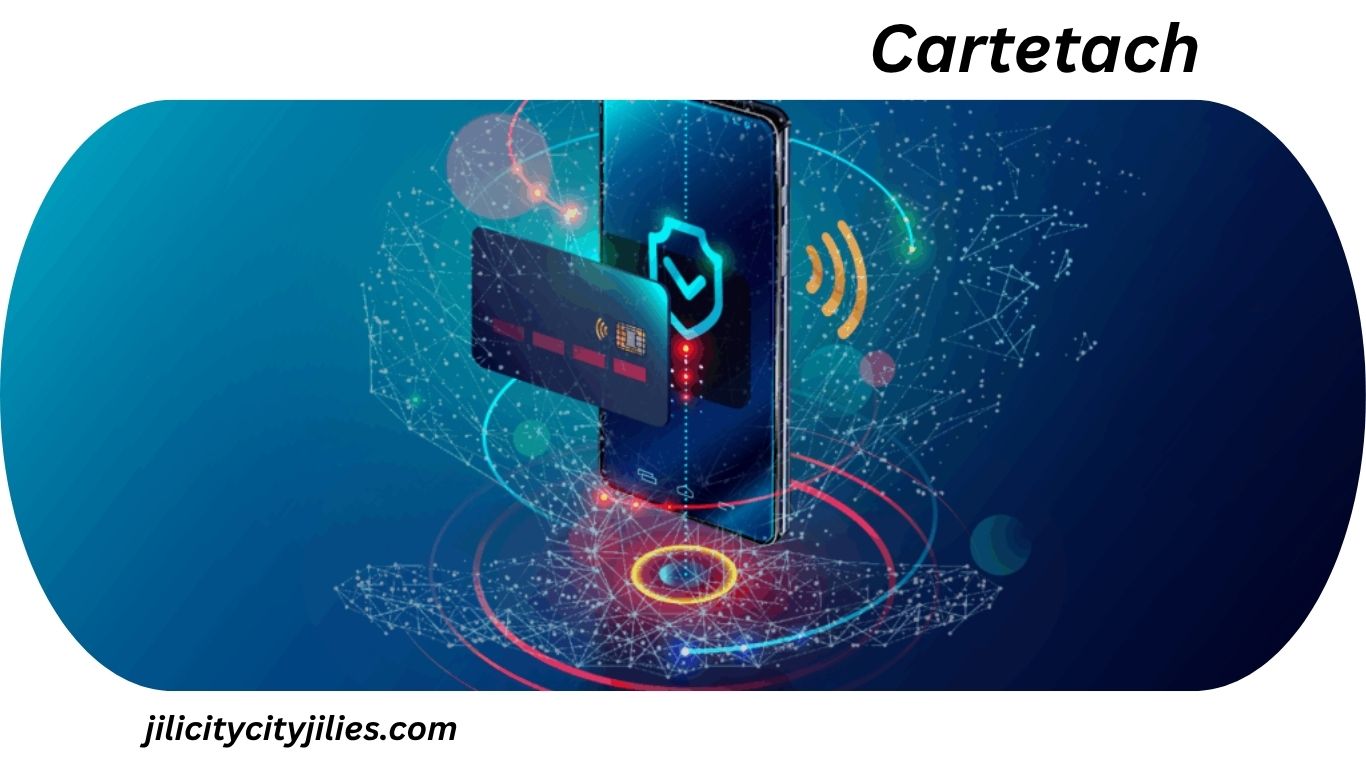
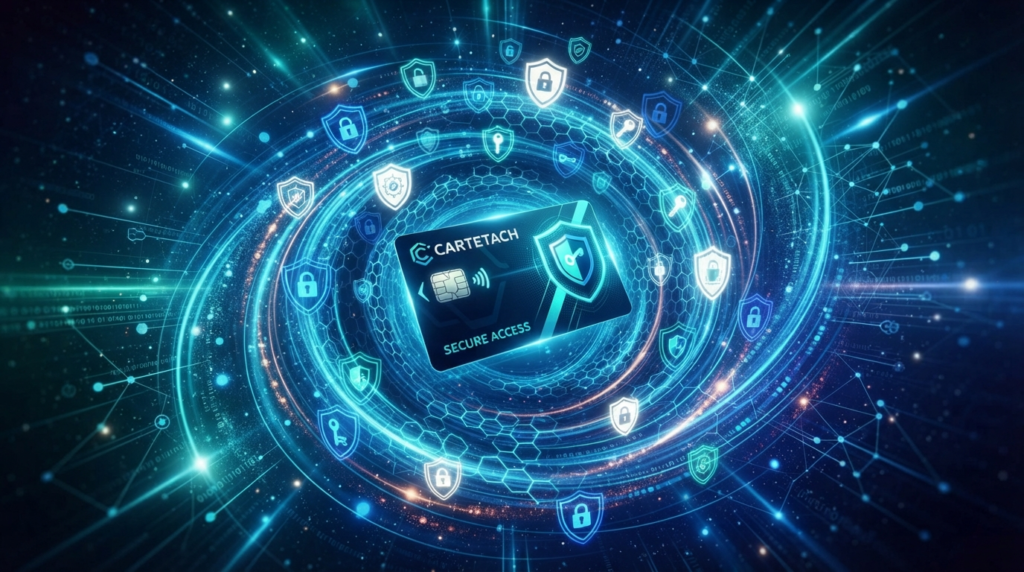
Cartetach is a digital smart card technology designed to store, manage, and secure user information using embedded microchips and advanced data protection methods. Unlike ordinary plastic cards that only hold limited information, cartetach combines secure hardware with intelligent software to create a safer and more efficient digital identity solution.
From financial services and healthcare to transportation, education, government, and business security, cartetach offers organizations a modern way to protect data while simplifying everyday transactions.
This guide explains everything you need to know about cartetach, including how it works, its key features, security technologies, real-world applications, benefits, limitations, future developments, and why smart card technology is becoming increasingly important in today’s digital world.
What Is Cartetach?
Cartetach is an advanced smart card technology that securely stores digital information inside an embedded integrated microchip. Instead of relying solely on visible information or magnetic strips, cartetach uses encrypted electronic storage to protect personal and organizational data.
The technology can securely hold various types of information, including:
- Personal identification
- Digital credentials
- Access permissions
- Payment authentication
- Medical information
- Employee verification
- Educational records
- Transportation passes
- Membership credentials
- Digital certificates
Because the data is stored inside a secure chip, unauthorized copying becomes much more difficult compared to traditional cards.
Rather than serving as just another plastic card, cartetach functions as a secure digital identity platform that can be adapted to many industries.
Understanding Smart Card Technology
To appreciate the value of cartetach, it’s helpful to understand how smart cards differ from older card technologies.
Traditional cards generally use magnetic stripes or printed information that can wear out over time or become easier to duplicate.
Smart cards include a small computer chip capable of:
- Processing information
- Encrypting data
- Authenticating users
- Running secure applications
- Preventing unauthorized access
This additional processing capability allows smart cards like cartetach to perform much more than simple identification.
How Cartetach Works
Cartetach operates through a combination of secure hardware, encrypted software, and authentication systems.
The process generally includes several steps.
Also Read:Agentic AI Pindrop Anonybit: Everything About Voice Intelligence, Biometrics, and AI Security
Step 1: Data Enrollment
A user’s information is securely added to the smart card during registration.
This may include:
- User ID
- Employee number
- Student identification
- Healthcare records
- Payment credentials
- Digital certificates
Step 2: Secure Storage
Instead of storing information openly, the embedded microchip encrypts the data.
Encryption ensures the information remains unreadable without proper authorization.
Step 3: Authentication
When the card is inserted or tapped against a compatible reader, the system verifies the user’s identity before granting access.
Authentication may require:
- PIN codes
- Passwords
- Biometric verification
- Digital certificates
- Multi-factor authentication
Step 4: Authorization
Once verified, the system determines what resources the user may access.
Examples include:
- Building entry
- Computer systems
- Banking services
- Medical records
- Transportation gates
Step 5: Secure Communication
The smart card communicates with authorized systems using encrypted channels that reduce interception risks.
Key Features of Cartetach
Cartetach includes several advanced capabilities that improve security and usability.
Embedded Secure Microchip
At the center of cartetach is an intelligent microchip designed specifically for secure data storage and processing.
Unlike magnetic strips, these chips perform real-time security operations.
Encrypted Data Storage
Sensitive information remains encrypted while stored inside the card.
Even if someone physically obtains the card, reading its contents without proper authorization is extremely difficult.
Multi-Application Support
A single cartetach card may support multiple purposes simultaneously.
For example, one card can function as:
- Employee ID
- Building access card
- Payment card
- Time attendance system
- Computer login credential
This reduces the need to carry multiple cards.
Contact and Contactless Technology
Depending on implementation, cartetach may support:
- Chip insertion
- NFC tap functionality
- RFID communication
- Hybrid smart card systems
This flexibility improves user convenience.
Strong Authentication
The platform supports multiple authentication methods that enhance security compared to password-only systems.
Security Technologies Used by Cartetach
Security remains the primary reason organizations adopt smart card technology.
Cartetach typically incorporates several protection layers.
Encryption
Data encryption converts readable information into coded data that authorized systems can decode.
Without encryption keys, stolen information becomes nearly useless.
Secure Authentication
Authentication ensures only verified users gain access.
This greatly reduces unauthorized access attempts.
Digital Certificates
Digital certificates help verify both the user and the system communicating with the card.
They reduce identity spoofing risks.
Secure Key Management
Cryptographic keys remain securely protected within the card’s hardware.
These keys never need to leave the secure environment.
Anti-Tampering Design
Modern smart cards are designed to detect attempts to physically alter or manipulate the embedded chip.
Some cards automatically disable themselves if tampering is detected.
Major Benefits of Cartetach
Organizations increasingly choose smart card technology because of its practical advantages.
Better Data Protection
Sensitive information remains protected through encryption, secure authentication, and hardware-based security.
Reduced Fraud
Unlike traditional cards, cloning a secure smart card is significantly more difficult.
This lowers fraud risks across multiple industries.
Faster User Verification
Authentication occurs quickly, reducing wait times for employees, customers, and travelers.
Improved User Convenience
One secure card can replace multiple identification systems.
Users no longer need separate cards for different services.
Scalable Technology
Cartetach solutions can expand as organizations grow.
New applications can often be added without replacing the entire infrastructure.
Long-Term Reliability
Smart cards generally last longer than magnetic stripe cards because the chip is more resistant to wear.
Industries That Can Benefit from Cartetach
Cartetach is highly adaptable and can support many different sectors.
Banking and Financial Services
Banks can use cartetach for:
- Debit cards
- Credit cards
- Secure authentication
- ATM verification
- Digital banking access
Enhanced encryption reduces payment fraud.
Healthcare
Hospitals and clinics can securely store patient identification information while controlling access to medical records.
Healthcare providers benefit from stronger privacy protections.
Also Read:Antarvafna: Meaning, History, Benefits, and How to Practice Inner Listening
Government Services
Government agencies may use cartetach for:
- National identification
- Employee verification
- Border security
- Digital public services
- Citizen authentication
Education
Schools and universities can issue smart cards for:
- Student identification
- Library access
- Attendance
- Campus transportation
- Cafeteria payments
Corporate Businesses
Companies may use cartetach for:
- Employee IDs
- Building access
- Secure computer login
- Visitor management
- Time tracking
Public Transportation
Transit systems increasingly rely on smart cards for faster ticket validation and passenger convenience.
Cartetach vs Traditional Cards
| Feature | Cartetach | Traditional Magnetic Card |
| Data Storage | Secure Microchip | Magnetic Stripe |
| Security | Very High | Basic |
| Encryption | Yes | Limited |
| Authentication | Multi-Level | Minimal |
| Cloning Resistance | High | Low |
| Multi-Purpose Use | Yes | Limited |
| Contactless Support | Often Available | Rare |
| Processing Capability | Advanced | None |
The comparison highlights why smart card technologies continue replacing older systems.
Cartetach and Digital Identity
Digital identity has become a central component of modern online security.
Instead of relying only on usernames and passwords, organizations increasingly combine:
- Smart cards
- Biometrics
- PIN verification
- Mobile authentication
- Digital certificates
Cartetach fits naturally into these digital identity ecosystems by securely storing credentials inside protected hardware.
Common Use Cases for Cartetach
Several everyday scenarios demonstrate how cartetach can improve security and convenience.
Office Access
Employees tap their smart cards to enter secure buildings.
Computer Login
Instead of typing passwords repeatedly, users authenticate with their smart cards.
Cashless Payments
Retail systems verify payment credentials securely.
Medical Records
Healthcare professionals access authorized patient information through secure authentication.
Student Services
Students use one card for attendance, meals, printing, and campus access.
Hotel Access
Hotels may issue temporary smart cards for room entry and guest services.
Challenges and Limitations of Cartetach
Although cartetach provides many benefits, organizations should also understand its limitations.
Higher Initial Costs
Smart cards generally cost more than basic magnetic cards due to embedded microchips and supporting infrastructure.
Reader Compatibility
Organizations must install compatible smart card readers.
Older systems may require upgrades.
User Training
Employees and users may need basic guidance before adopting new authentication methods.
Infrastructure Investment
Successful implementation often requires secure software, management platforms, and IT support.
However, these costs are frequently offset by improved security and reduced fraud over time.
Best Practices for Implementing Cartetach
Organizations planning to deploy cartetach should follow several recommendations.
- Encrypt all stored information.
- Require multi-factor authentication whenever possible.
- Keep software updated regularly.
- Replace lost cards immediately.
- Audit system access routinely.
- Train employees on secure card handling.
- Limit administrative privileges.
- Monitor authentication logs for unusual activity.
- Create backup recovery procedures.
- Follow applicable privacy regulations.
A well-planned deployment helps maximize both security and user experience.
The Future of Cartetach Technology
Smart card technology continues evolving alongside cybersecurity and digital identity innovations.
Future versions of cartetach may include:
- AI-assisted fraud detection
- Biometric authentication directly on cards
- Cloud identity integration
- Mobile wallet compatibility
- Enhanced NFC functionality
- Blockchain-supported identity verification
- Quantum-resistant encryption
- Internet of Things (IoT) device authentication
- Passwordless authentication systems
- Greater interoperability across industries
As organizations increasingly prioritize cybersecurity, technologies like cartetach are expected to become even more valuable.
Why Businesses Are Moving Toward Smart Card Solutions
Businesses face growing cybersecurity challenges every year.
Password theft, phishing attacks, identity fraud, and unauthorized system access continue to increase.
Smart card technologies provide an additional security layer because authentication requires possession of the physical card and, in many cases, a PIN or biometric verification.
This combination significantly reduces many common cyber risks.
Organizations also appreciate that smart cards simplify identity management by combining multiple credentials into one secure solution.
Is Cartetach Worth Considering?
For organizations seeking stronger digital security, cartetach represents a practical modernization of traditional identification systems.
Its combination of secure microchips, encrypted storage, flexible authentication methods, and multi-purpose functionality makes it suitable for businesses, educational institutions, healthcare providers, financial organizations, and government agencies.
Also Read:Claude Edward Elkins Jr: Biography, Career, Leadership, and Norfolk Southern Role
Although implementation requires initial investment, the long-term benefits often include improved security, better operational efficiency, reduced fraud, and enhanced user convenience.
As digital transformation accelerates across industries, solutions like cartetach are becoming increasingly relevant for protecting sensitive information while simplifying secure access.
Conclusion
Cartetach represents the next generation of smart card technology by combining secure embedded microchips, encrypted data storage, and advanced authentication into a single, versatile solution. Unlike traditional magnetic stripe cards, it is designed to protect sensitive information while supporting a wide range of applications, from secure building access and digital identity verification to cashless payments and healthcare management.
As organizations continue investing in stronger cybersecurity and more efficient identity management systems, technologies like cartetach are expected to play an increasingly important role. Its flexibility, scalability, and focus on security make it a valuable option for businesses, educational institutions, healthcare providers, financial organizations, and government agencies looking to modernize their infrastructure.
Whether used for protecting personal data, reducing fraud, or improving operational efficiency, cartetach demonstrates how smart card technology can deliver both security and convenience in an increasingly connected digital world.
FAQs
What makes cartetach different from a regular ID card?
Cartetach uses an embedded secure microchip with encrypted storage, while traditional ID cards generally rely on printed information or magnetic stripes that provide much lower security.
Can cartetach store multiple types of information?
Yes. A single cartetach card can securely store different types of authorized information, such as employee credentials, access permissions, payment functions, transportation passes, or educational records, depending on how it is configured.
Does cartetach require an internet connection to work?
Not always. Many smart card functions can operate offline for authentication or access control, while some applications may connect to secure online systems for updates or additional verification.
Is cartetach suitable for small businesses?
Yes. Small businesses can use cartetach for employee identification, secure office access, attendance tracking, and authentication. The scale of deployment can be adjusted based on business needs and budget.
How secure is the information stored on a cartetach card?
The information is protected using encryption, secure authentication, and hardware-based security features. These protections make unauthorized access much more difficult than with traditional cards.
Can a lost cartetach card be disabled?
Yes. Most organizations can deactivate a lost or stolen card through their card management system and issue a replacement, helping prevent unauthorized use.
Is cartetach compatible with mobile devices?
Depending on the implementation, cartetach may support NFC-enabled smartphones, mobile identity platforms, or digital wallet integrations, allowing secure interaction with compatible devices.