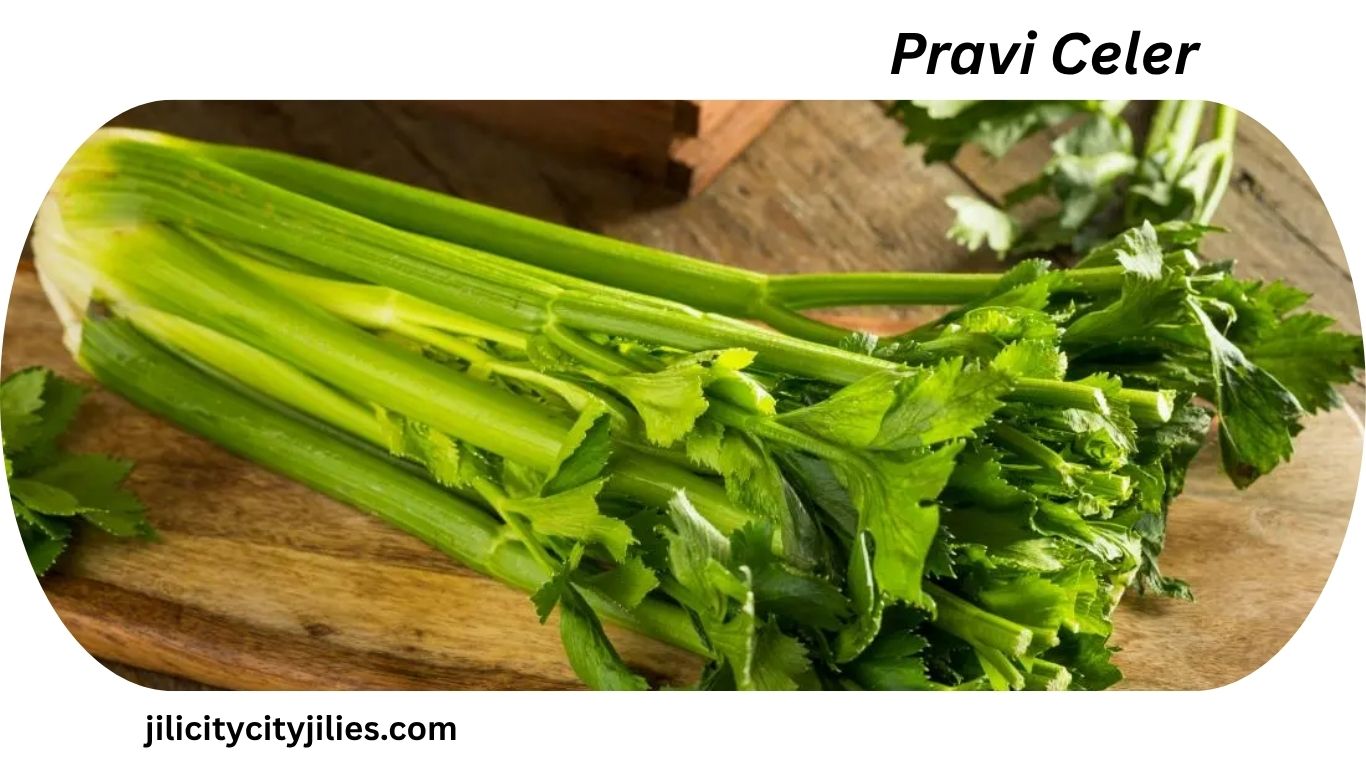
Pravi Celer: Complete Guide to the Traditional Whole Celery Plant, Benefits, Uses & Nutrition
Celery is one of the world’s most recognized vegetables, but not every type of celery represents the original way this plant was grown and used. The term “pravi celer” refers to the traditional, complete celery plant that has been valued for generations. Instead of focusing only on the crunchy stalks commonly sold in supermarkets, pravi celer includes every useful part of the plant, including the stalks, leaves, root, and seeds.
This traditional approach reflects a time when nothing from the plant was wasted. Farmers, gardeners, and home cooks understood that each section of the celery plant had its own purpose. The leaves flavored soups, the roots became hearty meals, the stalks were eaten fresh, and the seeds were used as seasoning and in traditional wellness practices.
Today, interest in sustainable living, organic gardening, and whole-food nutrition has brought renewed attention to pravi celer. More people are searching for vegetables that offer complete nutritional value while reducing food waste. As a result, the traditional concept of using the entire celery plant is becoming popular again.
This comprehensive guide explains everything you need to know about pravi celer, including its meaning, history, nutritional value, health benefits, growing methods, culinary uses, sustainability, and why this traditional vegetable deserves a place in every modern kitchen.
What Is Pravi Celer?
Pravi celer is a traditional concept that represents celery in its complete and natural form. Instead of viewing celery as a vegetable made up only of crunchy green stalks, pravi celer recognizes every part of the plant as valuable.
Unlike many commercial farming systems that harvest only specific sections, traditional growers used the entire celery plant. This practice reduced waste while providing a wider range of flavors, nutrients, and practical uses.
A complete pravi celer plant includes:
- Crisp green stalks
- Fragrant leaves
- Thick edible root
- Aromatic seeds
Each section contributes something unique to cooking and nutrition.
This whole-plant philosophy makes pravi celer different from modern supermarket celery, where consumers often throw away leaves or never even see the roots and seeds.

The Meaning Behind Pravi Celer
The word “pravi” generally conveys the idea of genuine, authentic, or true, while “celer” refers to celery.
Together, pravi celer represents authentic celery grown and used in its original, traditional way.
Rather than being a separate species, pravi celer describes an approach to cultivation and use that values the entire plant instead of just one portion.
This philosophy emphasizes:
- Respect for natural agriculture
- Full use of harvested crops
- Traditional cooking methods
- Sustainable food preparation
- Better nutritional diversity
In today’s world of sustainable eating, these values are more relevant than ever.
The History of Pravi Celer
Celery has been cultivated for thousands of years. Ancient civilizations appreciated it not only as food but also for ceremonial, medicinal, and agricultural purposes.
Traditional farming communities rarely wasted any harvested crop. Every edible portion of the celery plant had a purpose.
Historically:
Also Read: Eo Pis: The Ultimate Guide to Executive Dashboards, Data Management, and Business Intelligence
- Roots were cooked during colder seasons.
- Leaves flavored soups and stews.
- Stalks were eaten fresh or cooked.
- Seeds seasoned dishes and preserved foods.
Over time, commercial agriculture shifted toward growing celery varieties with long, attractive stalks because they were easier to market.
This transition unintentionally reduced awareness of the plant’s other valuable parts.
The idea of pravi celer preserves the older farming philosophy where the complete plant mattered.
Why Pravi Celer Is Becoming Popular Again
Several modern trends have contributed to the growing interest in pravi celer.
People are becoming more conscious of food waste and are looking for ways to make better use of fresh produce.
Many consumers also prefer natural foods that undergo minimal processing.
Pravi celer fits perfectly into these lifestyle changes because it encourages complete plant utilization.
Other reasons include:
- Increased interest in organic gardening
- Farm-to-table cooking
- Homegrown vegetables
- Sustainable agriculture
- Whole-food nutrition
- Traditional recipes
- Natural flavoring ingredients
As more people reconnect with traditional food practices, pravi celer continues to gain attention.
Understanding Every Part of the Pravi Celer Plant
One of the biggest strengths of pravi celer is that every section offers practical value.
The Stalks
The stalks are the most familiar part.
They provide:
- Crunchy texture
- Fresh flavor
- High water content
- Low calories
- Excellent versatility
They can be eaten raw or cooked.
The Leaves
Many people discard celery leaves without realizing they are highly flavorful.
The leaves work well in:
- Soups
- Salads
- Herb blends
- Pasta
- Rice dishes
- Sandwiches
- Vegetable stocks
Their flavor is stronger than the stalks, making them useful as a natural seasoning.
The Root
The root is one of the defining features of pravi celer.
It has:
- Earthy flavor
- Firm texture
- Excellent cooking properties
- High fiber content
It can be:
- Roasted
- Mashed
- Pureed
- Added to soups
- Used in casseroles
Traditional recipes often relied on celery root during winter because it stores well.
The Seeds
Celery seeds are tiny but packed with aroma.
They are commonly used in:
- Spice blends
- Pickling
- Salad dressings
- Bread
- Marinades
- Dry rubs
Only a small amount is needed because of their concentrated flavor.
Nutritional Value of Pravi Celer
Using the entire plant increases nutritional variety.
Each section contributes different vitamins, minerals, and plant compounds.
Generally, pravi celer provides:
- Dietary fiber
- Vitamin K
- Vitamin C
- Vitamin A
- Folate
- Potassium
- Calcium
- Magnesium
- Iron
- Antioxidants
The leaves usually contain higher concentrations of certain vitamins than the stalks.
The root contributes additional carbohydrates and fiber, making it more filling.
The seeds contain natural aromatic compounds valued in culinary traditions.
Together, these components create a more balanced nutritional profile than eating only celery stalks.
Health Benefits of Pravi Celer
Pravi celer supports a healthy diet because it combines multiple edible plant parts into one versatile food.
While it should not be considered a cure for any medical condition, including it as part of a balanced eating plan may provide several nutritional advantages.
Supports Daily Hydration
The stalks contain a high percentage of water, making them refreshing and helpful for maintaining hydration.
This makes pravi celer an excellent addition to meals during warmer months or after physical activity.
Provides Dietary Fiber
Fiber is important for digestive health and helps support regular bowel movements.
Using both the stalks and root increases total fiber intake compared with eating stalks alone.
Offers Valuable Vitamins
Pravi celer contains vitamins that contribute to:
- Normal immune function
- Healthy bones
- Blood clotting
- Vision support
- Cell growth
Because different parts of the plant contain different nutrients, using the whole plant creates a broader nutritional profile.
Contains Natural Antioxidants
The leaves, stalks, and seeds contain plant compounds that help protect cells from oxidative stress.
Although research continues to explore these compounds, eating a variety of vegetables like pravi celer supports an overall healthy diet.
Supports Heart-Friendly Eating
Pravi celer is naturally low in fat and calories while providing potassium and fiber.
These qualities make it a smart choice for people following heart-conscious eating patterns.
May Help With Healthy Weight Management
Because it is filling while remaining low in calories, pravi celer works well in balanced meal plans.
The root adds satisfying texture, while the stalks provide crunch without excess calories.
Cooking with Pravi Celer
One of the greatest strengths of pravi celer is its incredible versatility in the kitchen. Traditional cooks believed every part of the plant deserved a place in a recipe. This approach not only reduced food waste but also created meals with richer flavors and better nutrition.
Unlike modern cooking, where celery is often limited to soups or salads, pravi celer encourages using the stalks, leaves, root, and seeds together whenever possible.
Whether you are preparing a quick family dinner or an elaborate holiday meal, pravi celer can become one of the most useful vegetables in your kitchen.
Best Ways to Use the Stalks
The stalks remain the most commonly used part of the plant because they are crisp, refreshing, and easy to prepare.
Popular ways to enjoy them include:
- Fresh vegetable platters
- Garden salads
- Tuna salad
- Chicken salad
- Smoothies
- Fresh juices
- Vegetable stir-fries
- Pasta dishes
- Rice recipes
- Soups
- Stews
Their mild flavor pairs well with both vegetables and proteins.
Creative Uses for Celery Leaves
Many people throw away celery leaves without realizing they are one of the most flavorful parts of the plant.
Pravi celer encourages making full use of these nutrient-rich greens.
Celery leaves can be chopped and added to:
- Homemade soups
- Vegetable broth
- Fresh salads
- Omelets
- Mashed potatoes
- Rice bowls
- Pasta sauces
- Sandwiches
- Seafood dishes
The leaves can also replace parsley in many recipes, adding a deeper and slightly peppery flavor.
Delicious Ways to Cook Celery Root
The root is often overlooked, but it becomes tender and flavorful after cooking.
Some favorite preparations include:
Roasted Celery Root
Roasting brings out its natural sweetness and earthy flavor.
Simply cube the root, drizzle with olive oil, season lightly, and roast until golden brown.
Creamy Mash
Boiled celery root can be mashed alone or mixed with potatoes for a lighter alternative to traditional mashed potatoes.
Pureed Soup
Pureed celery root creates a smooth, comforting soup that works well during colder months.
Vegetable Casseroles
It adds texture and nutrition to baked vegetable dishes.
Oven Fries
Cut into strips and baked until crispy, celery root makes a healthier alternative to traditional fries.
Using Celery Seeds
Although tiny, celery seeds have a strong aroma.
Traditional kitchens often kept dried celery seeds as an everyday seasoning.
They work well in:
- Salad dressings
- Dry spice mixes
- Pickles
- Homemade bread
- Coleslaw
- Marinades
- Potato salad
- Roasted vegetables
A little goes a long way because the flavor is concentrated.
Pravi Celer in Traditional Cooking
Long before modern supermarkets existed, families depended on seasonal vegetables throughout the year.
Pravi celer became valuable because every harvested plant could provide multiple meals.
Traditional dishes often included combinations of:
- Root vegetables
- Fresh herbs
- Homemade broth
- Whole grains
- Beans
- Poultry
- Fish
Instead of wasting leaves or roots, cooks naturally included them in everyday recipes.
This practical approach continues to inspire modern sustainable cooking.
Pravi Celer and Sustainable Living
Sustainability is one of the biggest reasons interest in pravi celer has grown.
Modern food systems generate significant waste, including vegetable parts that are perfectly edible.
Pravi celer offers a simple solution by encouraging complete use of every harvested plant.
Benefits include:
- Less household food waste
- Better value from groceries
- More nutrients from one plant
- Reduced environmental impact
- Greater appreciation for traditional farming
Using the whole plant supports both personal health and environmental responsibility.
Growing Pravi Celer at Home
Many gardeners enjoy growing pravi celer because every part of the plant becomes useful.
Although celery requires patience, it rewards growers with a highly productive harvest.
Climate Requirements
Pravi celer grows best in:
- Mild temperatures
- Moderate sunlight
- Consistent moisture
- Rich soil
Cool weather generally produces the best flavor.
Soil Conditions
Healthy soil helps produce stronger plants.
Ideal soil should be:
- Rich in organic matter
- Well-drained
- Moist
- Slightly fertile
Adding compost before planting improves growth.
Water Needs
Celery prefers consistently moist soil.
Allowing the soil to dry completely may reduce stalk quality and overall growth.
Regular watering produces tender plants.
Sunlight
Pravi celer performs well with:
- Full sun
- Partial afternoon shade in hotter climates
Excessive heat may cause stress during summer.
Fertilizing
Organic compost usually provides excellent nutrition.
Additional balanced fertilizer may be applied if needed during active growth.
Harvesting Pravi Celer
Unlike many vegetables, pravi celer offers multiple harvest opportunities.
You can harvest:
- Individual stalks
- Fresh leaves
- Mature roots
- Seeds after flowering
This flexibility allows gardeners to enjoy fresh celery over an extended period.
How to Store Pravi Celer
Proper storage helps preserve freshness.
Stalks
Store in the refrigerator.
Wrapping stalks loosely helps maintain crispness.
Leaves
Leaves can be refrigerated for several days.
They also freeze well after chopping.
Root
Celery root stores well in cool, dark conditions.
It often lasts much longer than fresh stalks.
Seeds
Dry seeds completely before storing in airtight containers.
Keep them away from moisture and direct sunlight.
Pravi Celer vs Modern Supermarket Celery
Although they belong to the same plant family, there are important differences between the traditional concept of pravi celer and the celery commonly sold today.
| Feature | Pravi Celer | Modern Celery |
| Plant Usage | Whole plant | Mostly stalks |
| Leaves | Frequently used | Often discarded |
| Root | Important food source | Rarely included |
| Seeds | Culinary ingredient | Usually unavailable |
| Sustainability | Very high | Moderate |
| Traditional Value | Strong | Limited |
| Nutritional Variety | Excellent | Mostly stalk-focused |
| Food Waste | Minimal | Higher |
The comparison highlights why traditional growing practices continue to attract attention among gardeners, chefs, and nutrition-conscious consumers.
Common Myths About Pravi Celer
As interest in traditional vegetables grows, several myths have appeared online.
Understanding the facts helps consumers make informed choices.
Myth 1: Only the Stalks Are Edible
False.
The stalks, leaves, root, and seeds all have culinary value.
Myth 2: Celery Leaves Taste Bitter
Not necessarily.
Fresh leaves provide a stronger herbal flavor but are delicious when used properly.
Myth 3: The Root Is Difficult to Cook
Actually, celery root is easy to prepare once peeled.
It can be roasted, mashed, baked, or pureed.
Myth 4: Pravi Celer Is a Different Plant Species
No.
Pravi celer represents the traditional whole-plant approach rather than a completely separate species.
Myth 5: Celery Seeds Are Only for Planting
False.
Dried celery seeds are widely used as a culinary seasoning.
Buying the Best Pravi Celer
Whether shopping at a farmers market or grocery store, look for signs of freshness.
Choose plants with:
- Bright green leaves
- Firm stalks
- Fresh aroma
- Healthy root
- No major discoloration
- Minimal bruising
Organic and locally grown options often provide the freshest quality.
Who Should Include Pravi Celer in Their Diet?
Pravi celer fits into many healthy eating styles.
It is especially suitable for:
- Families
- Home cooks
- Gardeners
- Vegetarians
- Vegans
- Older adults
- Students
- Busy professionals
- Meal preppers
- Anyone interested in reducing food waste
Its versatility makes it easy to include in everyday meals without requiring complicated recipes.
Expert Insights: Why Pravi Celer Deserves More Attention
Although celery has been part of everyday cooking for centuries, the idea behind pravi celer offers a broader lesson about how we think about food. Modern grocery stores often encourage people to buy vegetables that look perfect and use only the most popular parts. Traditional farming took a different approach. Every edible part of the plant had value.
This difference is what makes pravi celer especially relevant today.
From a nutritional perspective, eating a variety of plant parts provides a wider range of vitamins, minerals, fiber, and natural plant compounds. From an environmental perspective, using the whole plant helps reduce food waste. From a financial perspective, it allows households to get more value from every purchase.
Rather than being just another vegetable, pravi celer represents a smarter and more sustainable way of eating.
How Pravi Celer Fits into Modern Healthy Eating
Healthy eating is no longer just about counting calories. More people are choosing foods based on overall nutrition, freshness, sustainability, and versatility.
Pravi celer fits well into many popular eating patterns, including:
- Mediterranean-style diets
- Plant-based eating
- Vegetarian diets
- Vegan diets
- Flexitarian diets
- Low-calorie meal plans
- Whole-food nutrition
- Farm-to-table cooking
Because every part of the plant serves a purpose, it naturally supports balanced and mindful eating.
Easy Ways to Add Pravi Celer to Your Weekly Meals
If you are new to using the whole celery plant, start with simple recipes.
Here are a few easy ideas:
Monday
Add chopped celery stalks to chicken or vegetable soup.
Tuesday
Mix fresh celery leaves into a green salad.
Wednesday
Roast celery root with carrots and potatoes.
Thursday
Season homemade salad dressing with celery seeds.
Friday
Prepare a vegetable stir-fry using celery stalks and leaves.
Saturday
Make creamy celery root mash alongside grilled fish or chicken.
Sunday
Use leftover stalks and leaves to prepare homemade vegetable broth.
By following this approach, you will use nearly every part of the plant throughout the week.
Pravi Celer and Food Waste Reduction
One of the strongest arguments for embracing pravi celer is its ability to reduce unnecessary food waste.
According to global food sustainability efforts, millions of tons of edible food are discarded every year. Much of this waste includes vegetable leaves, stems, and roots that remain perfectly safe to eat.
Traditional practices surrounding pravi celer encourage people to think differently.
Instead of asking, “What should I throw away?” the question becomes, “How can I use every edible part?”
This simple shift offers several benefits:
- Less waste at home
- Lower grocery costs
- More creative cooking
- Better environmental responsibility
- Increased appreciation for natural foods
Small habits like using celery leaves in soups or saving the root for roasting can make a meaningful difference over time.
Pravi Celer in Home Gardening
Gardeners appreciate pravi celer because it delivers value from planting to harvest.
Unlike vegetables grown for a single edible part, this plant offers multiple harvest opportunities.
Home gardeners often enjoy:
- Harvesting stalks as needed
- Picking fresh leaves throughout the season
- Collecting mature roots
- Saving seeds for future planting
This makes pravi celer a productive addition to vegetable gardens of all sizes.
Growing it at home also allows gardeners to avoid unnecessary pesticides and enjoy fresher produce.
Seasonal Availability of Pravi Celer
Understanding when pravi celer is at its best helps improve flavor and freshness.
Spring
Young plants begin growing and produce tender leaves.
Summer
Stalks continue developing but require consistent watering in warmer climates.
Fall
This is often the ideal season for harvesting mature stalks and roots.
Winter
Stored celery root remains available and works well in soups, stews, and roasted dishes.
Following seasonal eating patterns helps maximize both flavor and nutritional value.
Simple Tips for Getting the Most from Pravi Celer
Making the most of pravi celer does not require advanced cooking skills.
Also Read:Pabington: The Complete Guide to Smarter On-Page SEO in 2026
Keep these practical tips in mind:
- Wash every part of the plant thoroughly.
- Store leaves separately to keep them fresh longer.
- Roast the root to enhance its natural sweetness.
- Freeze leftover stalks for soups and stews.
- Dry celery leaves to create homemade seasoning.
- Use seeds sparingly because of their concentrated flavor.
- Add chopped leaves near the end of cooking to preserve freshness.
- Save vegetable scraps to prepare homemade broth.
These small habits help reduce waste while expanding the variety of meals you can prepare.
Potential Challenges When Using Pravi Celer
Although pravi celer offers many advantages, there are a few practical considerations.
Some people may not be familiar with celery root or leaves and may need time to learn how to prepare them.
Fresh roots are not always available in every supermarket, making farmers markets or specialty grocery stores a better option in some areas.
The plant also requires regular watering during cultivation, which can make home gardening slightly more demanding than growing some other vegetables.
Despite these minor challenges, the benefits of using the entire plant generally outweigh the extra effort.
The Future of Pravi Celer
Interest in traditional foods continues to grow around the world.
Consumers increasingly value foods that support:
- Sustainability
- Organic farming
- Local agriculture
- Nutritional diversity
- Reduced food waste
- Traditional cooking methods
Pravi celer aligns with all of these trends.
As more chefs, nutrition professionals, gardeners, and home cooks rediscover the benefits of whole-plant cooking, it is likely that the concept of pravi celer will become even more popular.
Future farming practices may also place greater emphasis on producing vegetables that encourage complete utilization rather than focusing on only one marketable portion.
Final Thoughts
Pravi celer represents much more than a traditional way of growing celery. It reflects a practical philosophy that values every edible part of the plant.
By using the stalks, leaves, root, and seeds together, people can enjoy greater nutritional variety, reduce food waste, and discover new flavors in everyday cooking.
Whether you grow it in your own garden, purchase it from a local farmers market, or simply begin using celery leaves instead of throwing them away, embracing the principles of pravi celer is a small change that can have lasting benefits.
In today’s world, where sustainability, nutrition, and mindful eating are becoming increasingly important, pravi celer serves as an excellent example of how traditional agricultural knowledge can still improve modern lifestyles.
Choosing the whole plant instead of just one part helps preserve valuable culinary traditions while supporting healthier eating habits for future generations.
Frequently Asked Questions About Pravi Celer
Is pravi celer suitable for beginner gardeners?
Yes. While it requires regular watering and fertile soil, beginner gardeners can successfully grow pravi celer with basic gardening knowledge and consistent care.
Can I freeze different parts of pravi celer?
Yes. The stalks, chopped leaves, and cooked celery root freeze well. Freezing helps reduce waste and makes meal preparation easier.
Does pravi celer have a stronger flavor than regular celery?
Because it includes the leaves, root, and seeds, the overall flavor experience is richer and more complex than using stalks alone. Each part contributes its own unique taste.
Can children eat pravi celer?
Yes. When prepared appropriately for their age, the stalks, leaves, and cooked root can be part of a balanced family diet.
Is celery root the same as the root of ordinary celery?
Celery root, often associated with celeriac varieties, is grown specifically for its enlarged edible root. In the broader concept of pravi celer, the root is valued as an important edible part alongside the stalks, leaves, and seeds.
Can I dry celery leaves for later use?
Absolutely. Drying celery leaves is an excellent way to create a homemade herb seasoning that can be added to soups, sauces, casseroles, and roasted vegetables.
What foods pair well with pravi celer?
Pravi celer pairs well with carrots, onions, potatoes, mushrooms, beans, lentils, chicken, turkey, seafood, eggs, rice, barley, fresh herbs, and many other vegetables.